LED for reactive and sensitive skin
Where LED can support calm recovery—and where it is not a substitute for medical review.
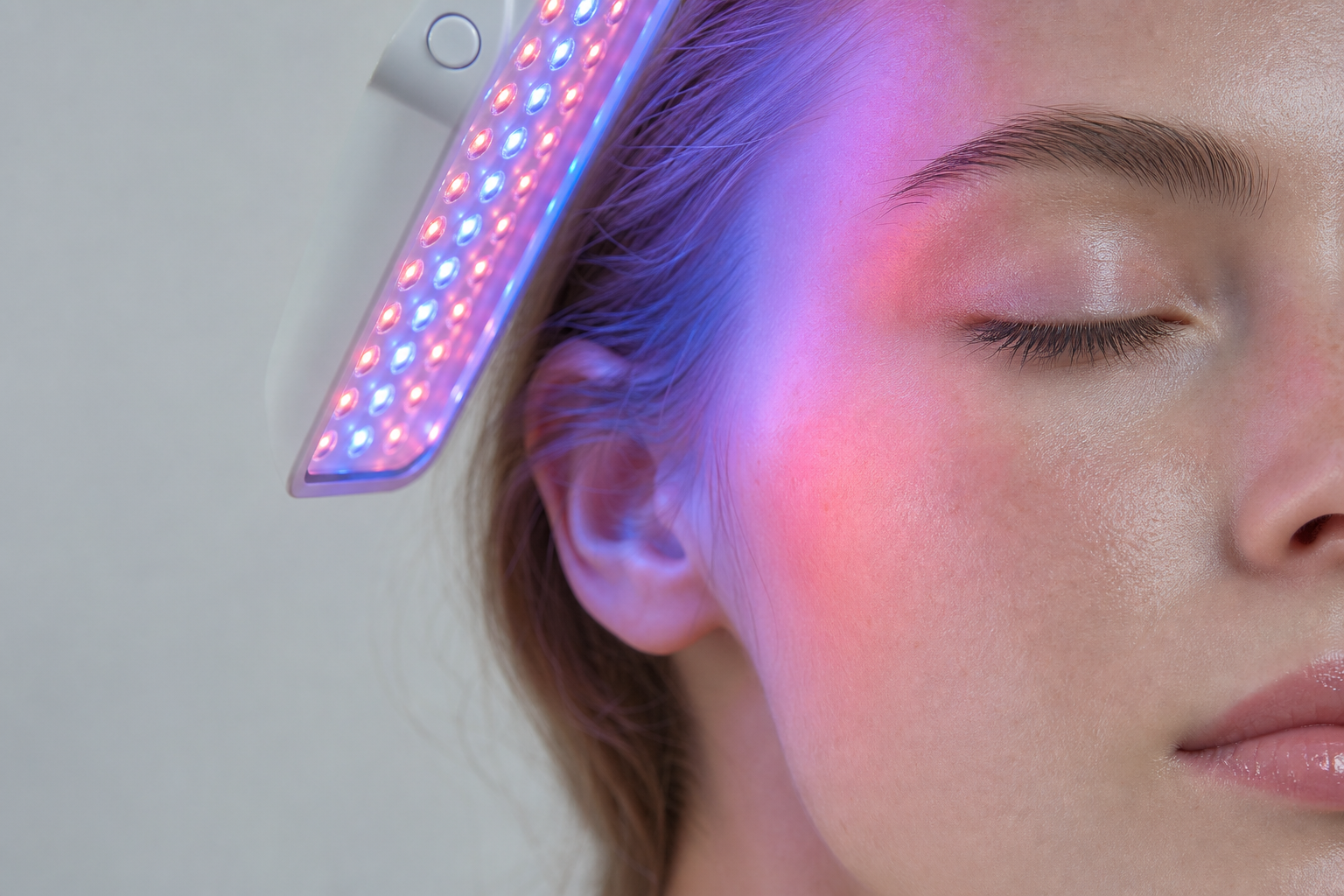
LED can support calm and recovery when heat and abrasion need to stay low. It is an adjunct in many plans, not a universal fix for barrier failure, allergy, or infection.
Appropriate expectations
- May support comfort in reactive phases when clinically appropriate.
- Does not replace diagnosis of persistent rash, pain, or infection signs.
- Should be scheduled so it supports—rather than crowds—energy recovery calendars.
Where LED fits for reactive skin
LED is often used to support comfort and recovery rather than to replace corrective lasers. For reactive guests, it can be a bridge between stronger sessions—or a stand-alone calm visit when barrier stress is high.
What to expect in a supportive LED visit
- Low downtime for most guests.
- Cleanse and protect steps before/after light.
- Clear guidance on whether it is recovery support or maintenance.
- No guarantee it treats every concern—goals should stay specific.
Pairing rules
LED after aggressive devices should follow clinician timing. Adding random home LED panels with untested intensity can irritate—ask before combining clinic and consumer devices.
Key takeaways
- Ask how LED fits beside your other modalities.
- Escalate unexplained worsening rather than adding more home devices.
- Sensitive-skin plans still need SPF and simplified routines.
Educational guidance for general aftercare and planning awareness. It does not replace personalized medical advice. Follow the written protocol from your AESTHINA STARERA clinician for your device, settings, and skin history.